

You use it every day - but do you really know what you should, and should not, put in your dishwasher? Here we share 12 items that can cause major problems if you put them in your dishwasher, either for your dishwasher - or the items themselves. Learn what not to load into your dishwasher, and ensure both your dishwasher and utensils stay in good shape for longer!
Gold, Silver or Copper Flatware
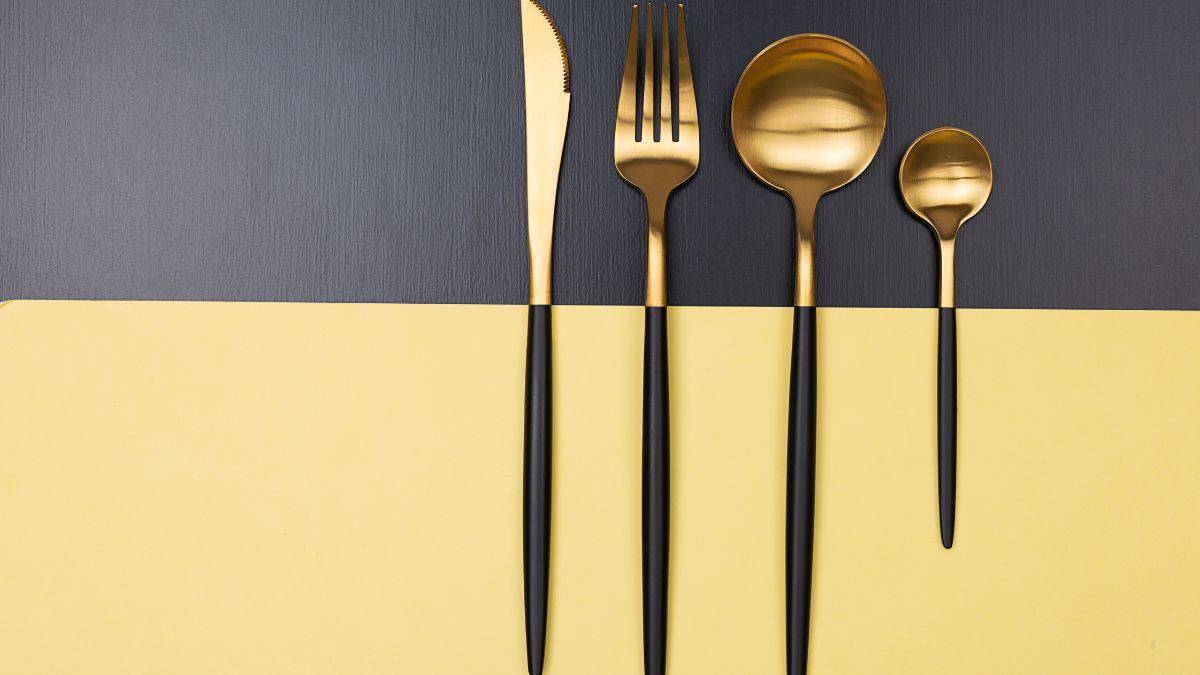
Fancy silver or gold-plated flatware should never go in the dishwasher. The harsh detergents and high water pressure can tarnish the metal, and strip away any metal-colored layer. Instead, wash them gently by hand and hand-dry to avoid water spots.
Wood
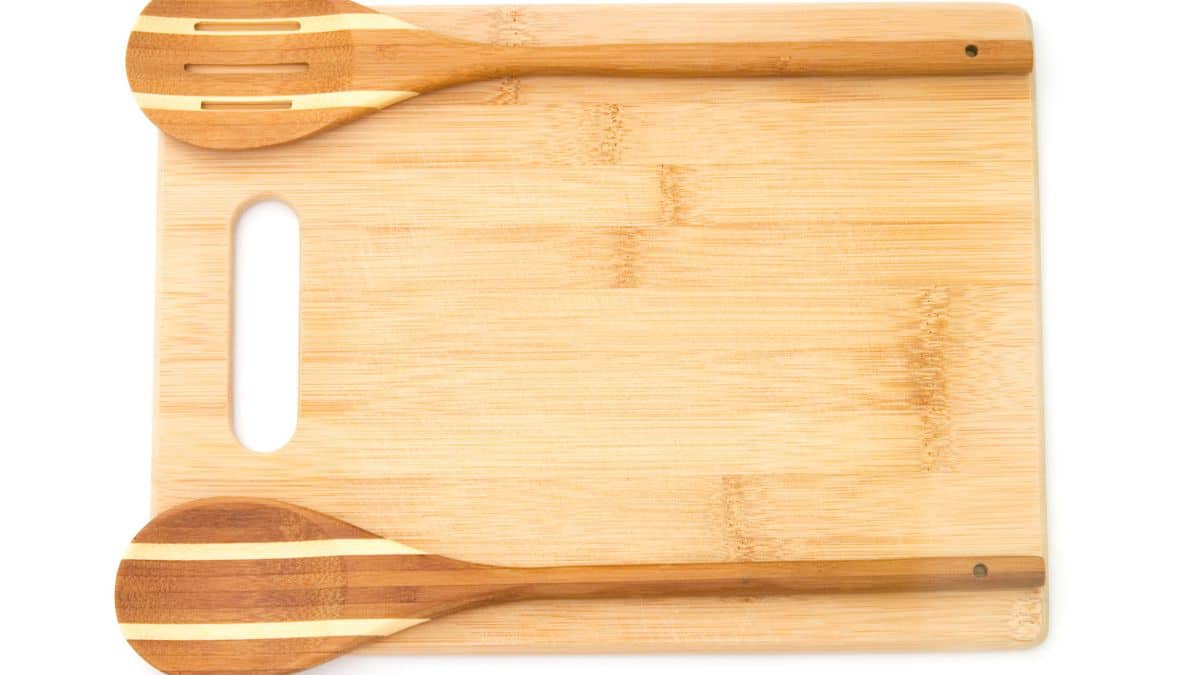
Wooden items, like cutting boards or kitchen utensils, can warp, crack, and lose their finish in the dishwasher. Hand wash these with mild soap, and make sure to dry them thoroughly to prevent damage. However, if you've already made the mistake of putting them in the dishwasher, you can often get them back in decent shape by soaking them in vegetable oil.
Measuring Cups
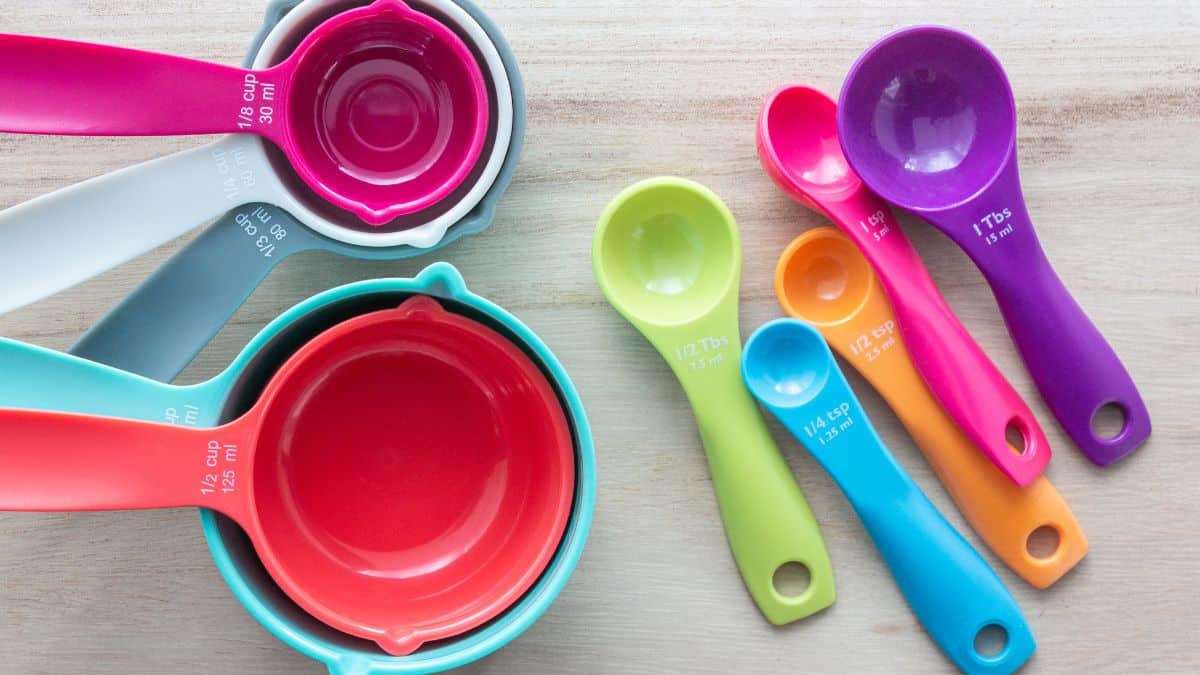
Washing your measuring cups in the dishwasher might seem like a no-brainer, but it might not be such a good idea after all. You run the risk of stripping away any printed markings, which will decrease the accuracy with which you can measure. It's really best to wash them by hand to ensure they stay precise.
Rinsed Dishes
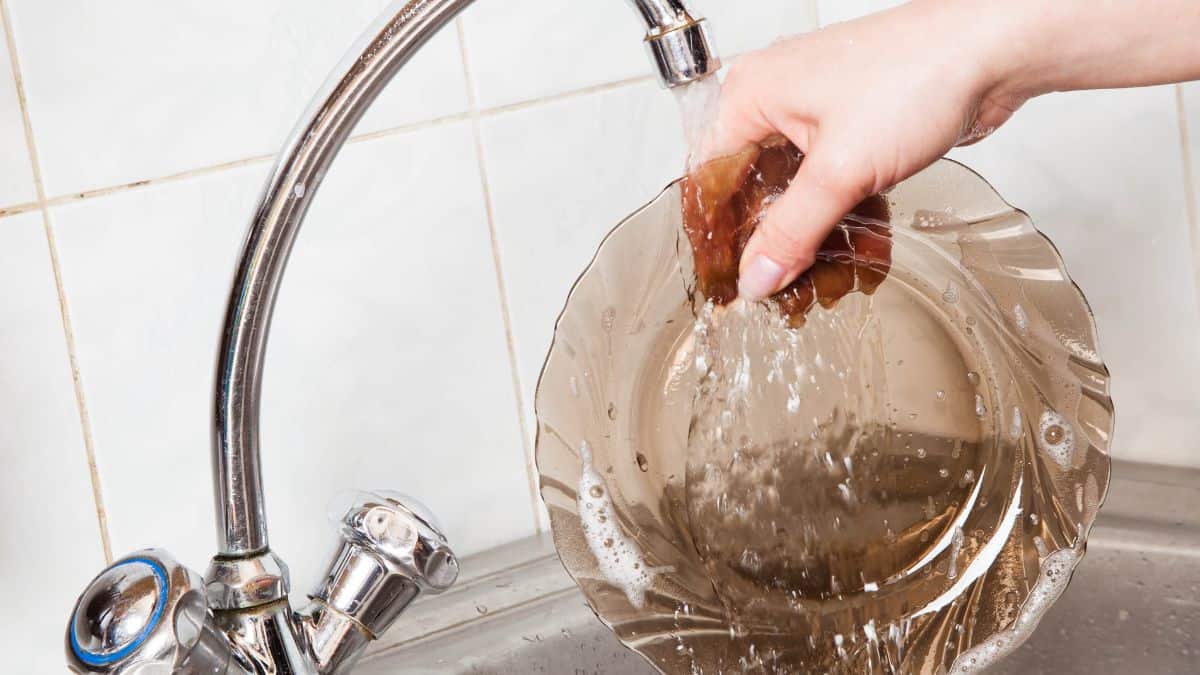
Surprisingly, it's best not to rinse dishes before putting them in the dishwasher. Modern dishwashers are designed to work with food particles to properly distribute water and detergent. If dishes are too clean, the dishwasher actually might not perform as effectively! My poodle says that having your dog rinse the dishes first is still fine, though.
Knives
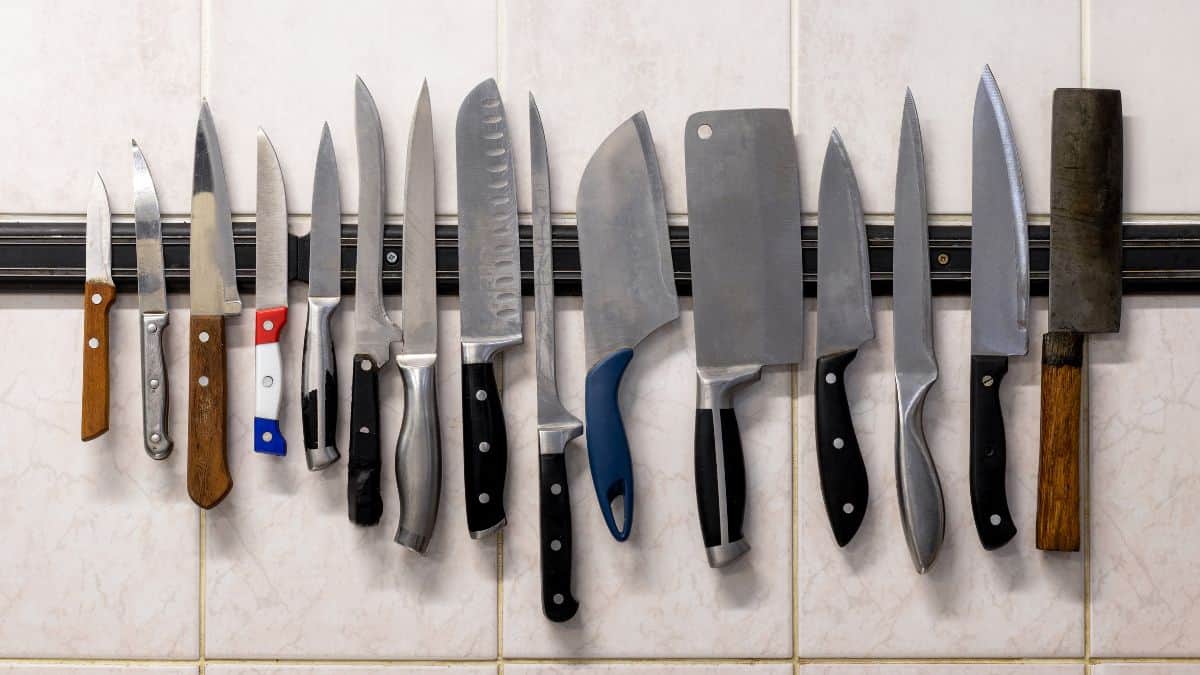
Putting sharp knives in the dishwasher is a big no-no. The high-pressure water and detergents can cause the blades to dull over time, and if they have a wooden handle it might crack. Instead, wash them by hand with warm, soapy water and dry them promptly to maintain their sharpness for longer.
Food
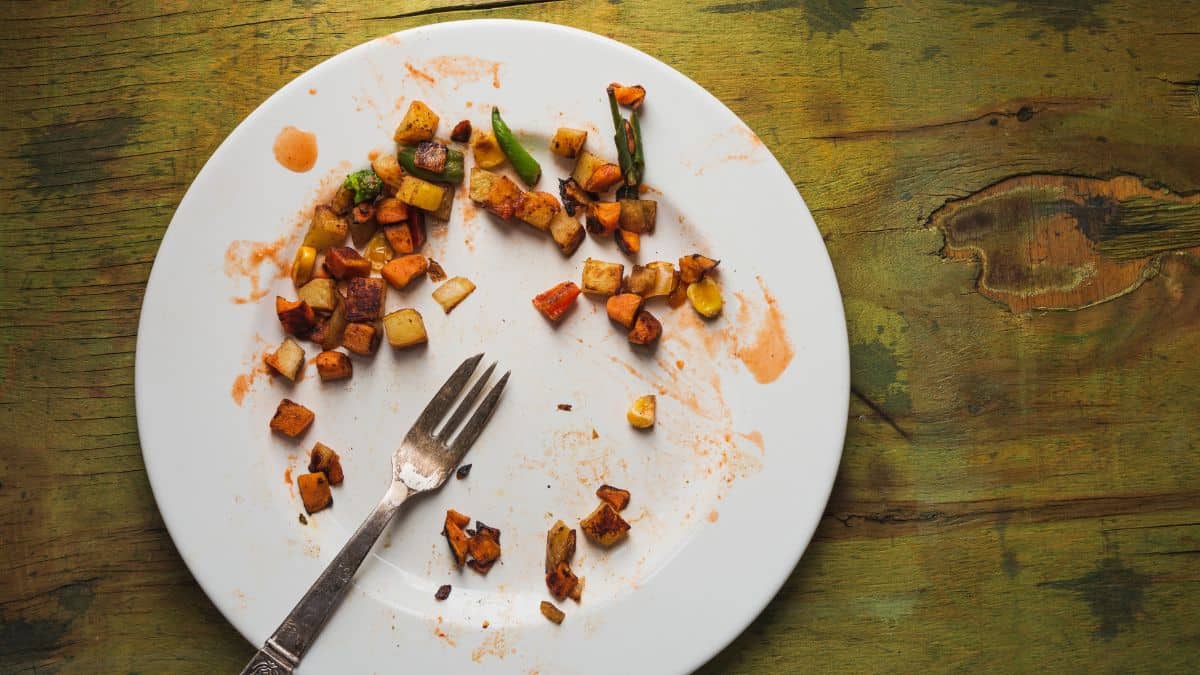
While dishwashers are made to handle food residue on your plates, they aren't equipped to handle leftover food scraps. It's important to scrape off excess food before loading your dishes to prevent clogs and keep your dishwasher in good working order.
Non-Stick Cookware
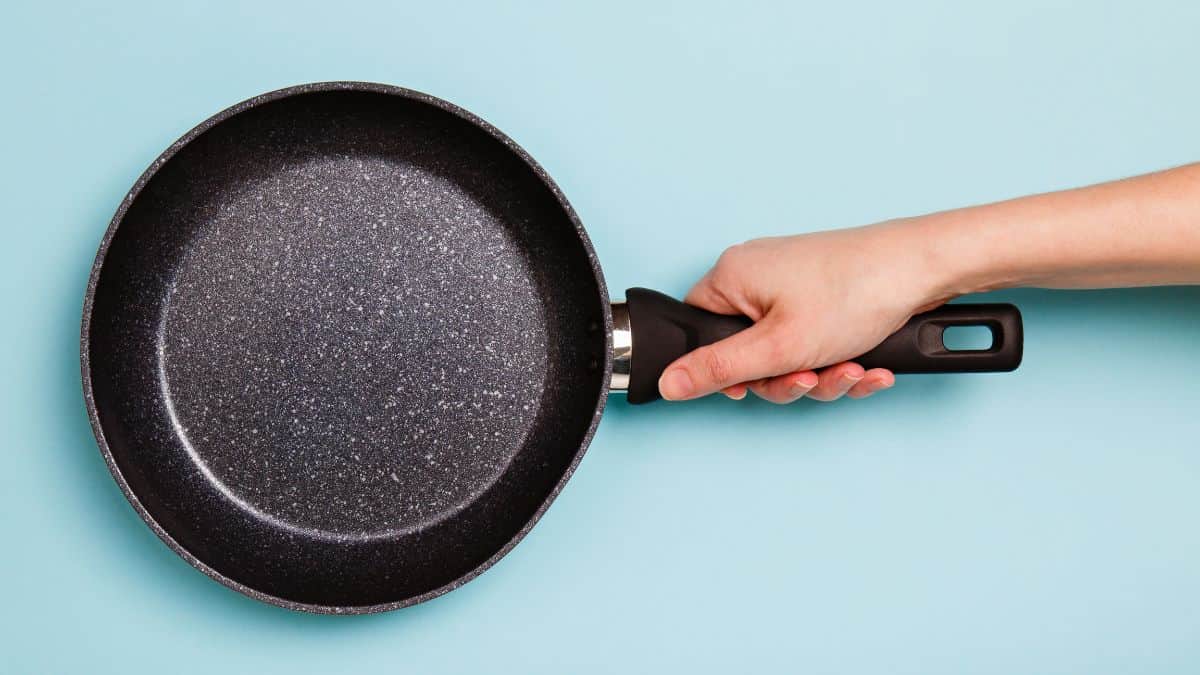
Non-stick pots and pans might seem like an easy dishwasher target, but the harsh detergents and hot water can wear down their non-stick coating. To keep your non-stick cookware in top shape, wash them by hand with gentle dish soap and a soft sponge.
Delicate Glasses

Crystal glassware and other fragile types of glassware should not go in the dishwasher. The high-pressure water jets and temperature fluctuations can cause them to crack or become cloudy. Instead, gently hand-wash delicate glasses to preserve their clarity and shine, and hand-dry them to avoid water spots.
Antique Kitchenware
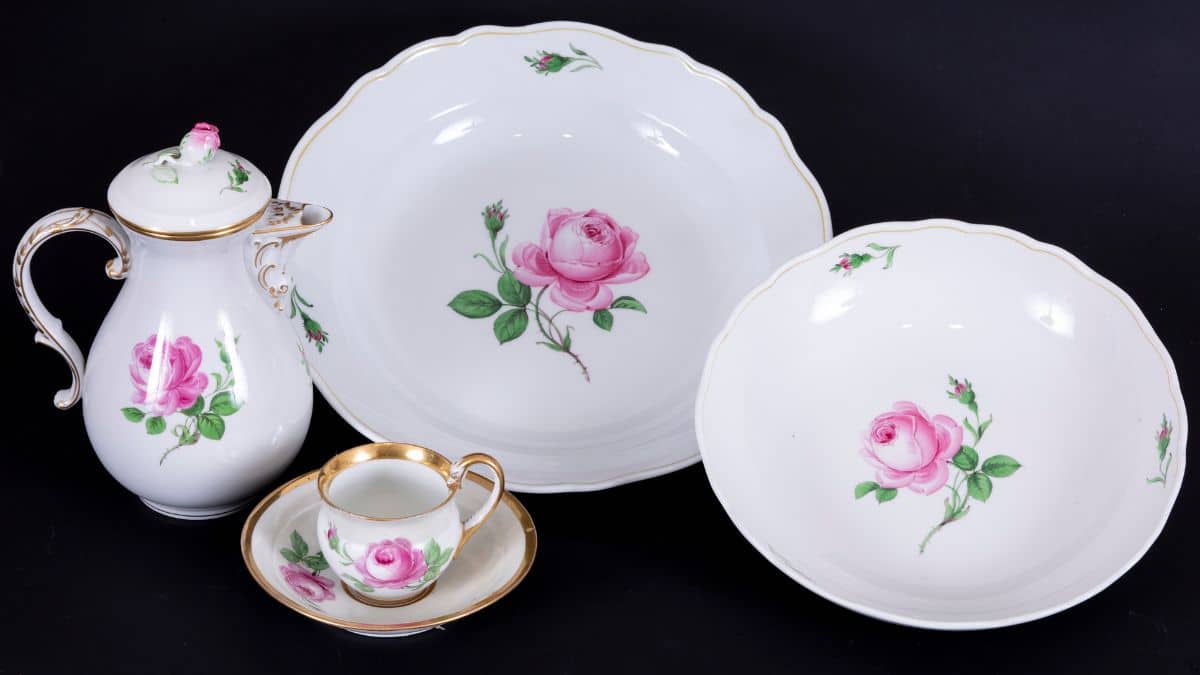
Antique dishes and utensils often have delicate patterns, often handpainted, and are made of materials that don't fare well in dishwashers. To preserve their historical value and charm, always hand wash and dry these items instead.
Cast Iron Pans
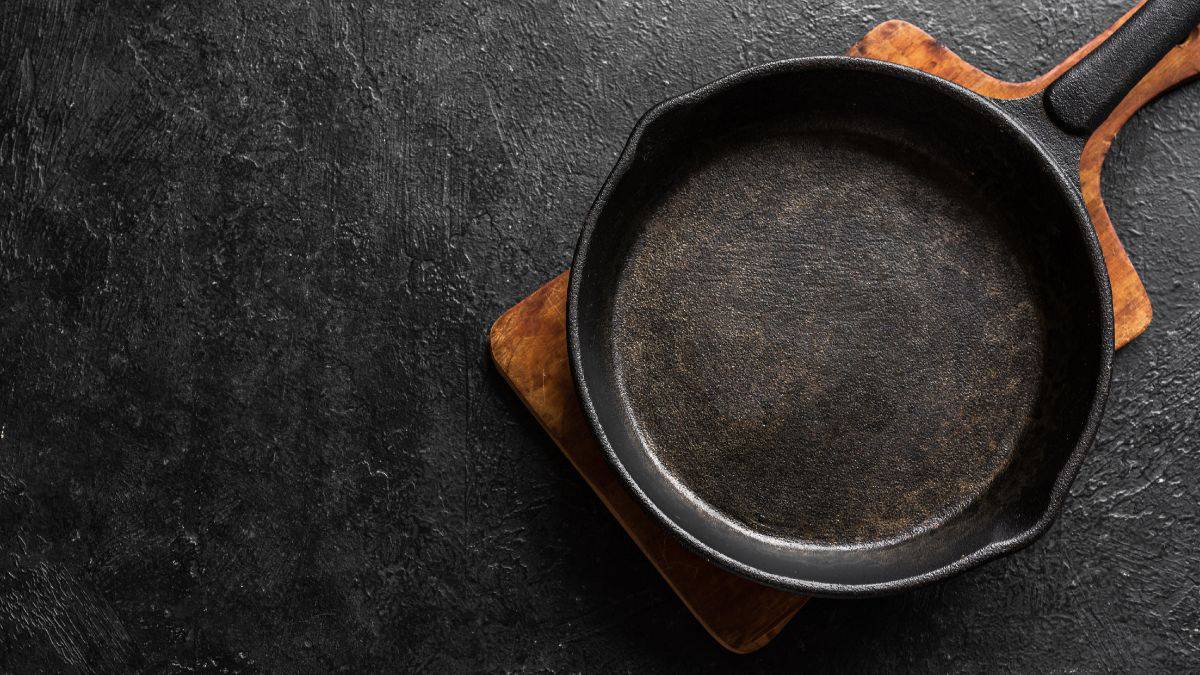
Cast iron pans should be seasoned to perfection, and a trip through the dishwasher can strip away that seasoning, making them useless. Always hand-wash these with a bit of warm water (no soap!) and a soft brush, and be sure to season them again if needed. If you've burnt something in it you can heat up the pan on the stove with some water in it, and that will usually loosen everything right up for easy rinsing.
Thin Plastic Containers

While plastic containers are convenient, those that are too thin can warp or melt in the dishwasher's high heat. To avoid this, hand wash them with mild detergent and lukewarm water.
Travel Mugs

Many travel mugs have intricate parts like seals or insulation that can be damaged by the dishwasher's aggressive cleaning. To ensure your travel mug stays leak-proof and insulated, always wash it by hand.



Comments
No Comments